
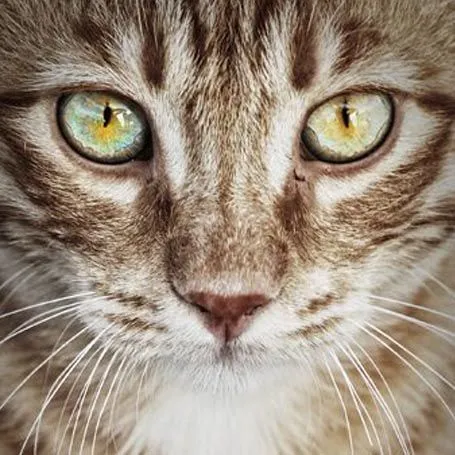
Ophthalmic care is an important part of your pet’s overall health. Dogs and cats can develop a variety of eye conditions that may affect their comfort and quality of life. At our clinic, our veterinarian provides general eye health assessments, offers guidance, and can perform limited eye surgeries when appropriate. For complex or advanced cases, we are happy to refer your pet to a trusted ophthalmic specialist.
Common Eye Conditions in Dogs and Cats
- Conjunctivitis: Often called “pink eye,” this condition involves inflammation caused by infection, allergies, or irritants, and leads to redness and discharge around the eyes.
- Cataracts: Clouding of the lens that may impact vision. Cataracts can be age-related, hereditary, or associated with other illnesses.
- Glaucoma: Increased pressure inside the eye, which may cause pain and vision loss. This is a serious condition and may require specialist attention.
- Corneal Ulcers: Open sores on the eye’s surface, often resulting from trauma or infection. Symptoms include squinting, excessive tearing, or visible cloudiness.
- Dry Eye (Keratoconjunctivitis Sicca): Reduced tear production leading to discomfort and irritation, more common in certain breeds.
- Entropion & Ectropion: Abnormal eyelid structure that causes the eyelid to roll inward or outward, potentially irritating or harming the eye.
Signs Your Pet May Need Eye Care
Watch for these symptoms that could indicate eye problem:
- Redness or swelling of the eyes or eyelids
- Excessive tearing or unusual discharge
- Cloudiness or color change in the eyes
- Frequent squinting or keeping an eye closed
- Pawing or rubbing at the eyes
- Notable changes in the eye’s appearance
- Bumping into objects or hesitance to move in dim light
Preventative Ophthalmic Care
- Regular Check-Ups: Schedule annual visits for general health and eye checks, especially for breeds prone to eye problems.
- Cleanliness: Gently clean around your pet’s eyes with a soft, damp cloth to keep debris away.
- Preventative products: such as tear stain chews
- Protect from Irritants: Avoid exposing your pet to smoke, chemicals, or dust that may irritate their eyes.
- Breed Awareness: Some breeds, like Bulldogs, Persians, and Pugs, need extra attention because they are more likely to have eye issues.
- Grooming needs: Non shedding breeds have excessive hair growth around the eyes that can cause irritation, scratch, or infection from added bacterial growth. Keep your pet's eyes free of excessive hair.
Diagnosis, Treatment, and Referral Process
If you notice any symptoms or have concerns about your pet’s eyes, please contact our clinic. Our veterinarian will perform an initial assessment and determine the most suitable treatment, this may include medication, supportive care, or, in some cases, limited eye surgeries that can be performed on site. For advanced diagnostics, complicated conditions, or surgeries beyond our scope, we will refer your pet to a veterinary ophthalmic specialist who can provide expert care or specialty surgery, such as cataract surgery.
Eye Surgery
List below are limited eye surgeries performed by our experiences doctor.
- Cherry eyes
- Enucleation
- Tumor removal of eye lid
- Tarsorrhaphy
- Entropion
Microscope assisted procedures: Our doctor has access to a high-quality microscope, allowing for enhanced precision in delicate ophthalmic surgeries and diagnostics.
When to Seek Emergency Care
Some eye issues, such as sudden vision loss, severe pain, trauma/injury, or rapid swelling, require immediate attention. If these symptoms occur, please call us right away so we can direct you to the appropriate specialist for urgent care.
Your pet’s eye health is vital to their well-being. At our clinic, we offer general ophthalmic care, can perform certain minor eye surgeries, and ensure that your pet gets the specialized attention they need with a referral when necessary. Don’t hesitate to reach out to us with questions or concerns. Talk to a team member at (575) 434-6622 —your pet’s comfort and vision are always our priority.
